
Step-by-Step Guide to Applying Flea Spray for Home Infestations
Flea infestations can pose a significant challenge for homeowners. Understanding the proper methods for applying flea spray is vital for effective treatment. This guide outlines a systematic approach to guarantee thorough coverage and minimize the risk of re-infestation. From selecting the right spray to preparing the home and carrying out the application, each step is critical. The subsequent sections will detail these processes flea spray, equipping homeowners with the knowledge needed for successful pest control.
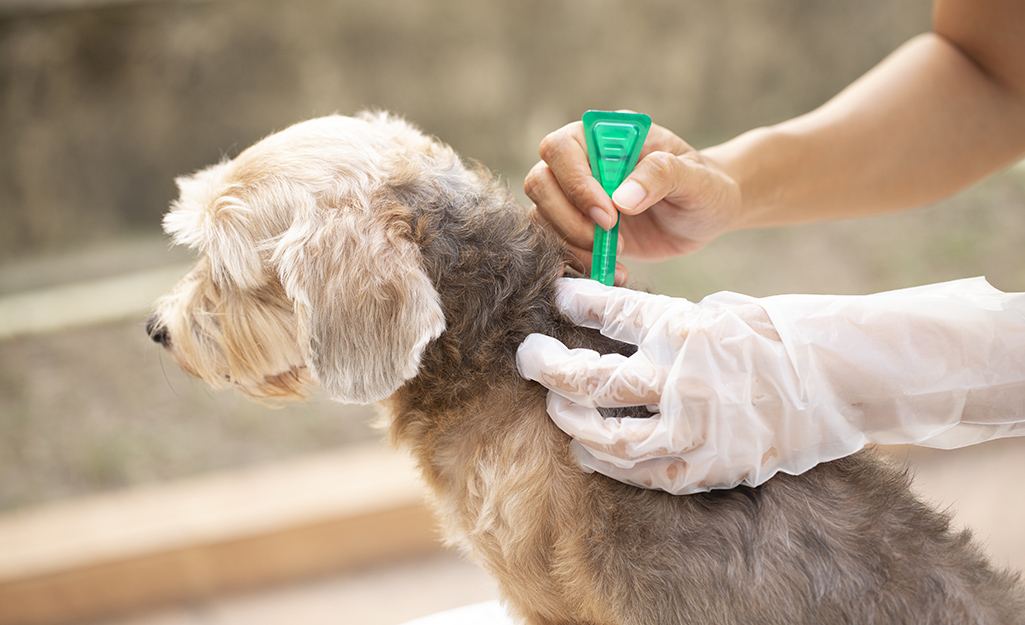
Understanding Flea Infestations
Flea infestations can occur silently, often going unnoticed until populations have considerably expanded. Understanding the flea life cycle is vital for effective management. Fleas progress through four stages: egg, larva, pupa, and adult. Each stage has distinct characteristics and requires different control measures.
Eggs, which are laid on the host or in the environment, can hatch within a week under ideal conditions. Larvae feed on organic debris https://igreenasia.com/, while pupae can remain dormant for extended periods, making them resilient to treatments. Adult fleas are the most recognizable stage, feeding on blood and reproducing rapidly.
Common symptoms of infestations include excessive scratching or grooming by pets, visible flea dirt, and the presence of fleas on fur or in bedding. Homeowners may also experience skin irritation or allergic reactions.
Recognizing these signs early is essential for implementing timely intervention strategies to break the flea life cycle and alleviate the infestation.
Choosing the Right Flea Spray
Selecting an appropriate flea spray is essential for effectively managing an infestation, as various products are designed to target specific stages of the flea life cycle.
Conventional chemical sprays often contain insecticides that eliminate adult fleas, while some formulations also disrupt the development of eggs and larvae.
In contrast, natural flea sprays, which utilize plant-based ingredients, may offer a less toxic alternative but often require more frequent applications to maintain effectiveness.
An effectiveness comparison between these two categories reveals that while chemical sprays may provide rapid results, natural options may appeal to those prioritizing safety and environmental concerns.
It is vital to assess the specific infestation severity and consider any potential risks to pets and humans when selecting a product.
Ultimately, understanding the unique properties of each flea spray type will aid in making an informed decision that aligns with the infestation management strategy.
Preparing Your Home for Treatment
Before applying flea spray, it is important to prepare the home adequately to maximize treatment effectiveness. This preparation process begins with thorough home cleaning.
All floors should be vacuumed meticulously, including carpets, rugs, and upholstery, to remove any existing flea eggs and larvae. After vacuuming, dispose of the vacuum bag or empty the canister outside to prevent re-infestation.
Additionally, pet preparation is essential. Pets should be bathed and treated with veterinarian-recommended flea control products prior to spray application. It is advisable to keep pets away from the treated areas during and after the application period, as per the manufacturer’s instructions.
Remove all items such as toys, bedding, and personal belongings from the treatment zone to guarantee maximum exposure to the flea spray.
This systematic approach helps to create an environment that enhances the efficacy of the flea spray, ultimately aiding in the eradication of the infestation.
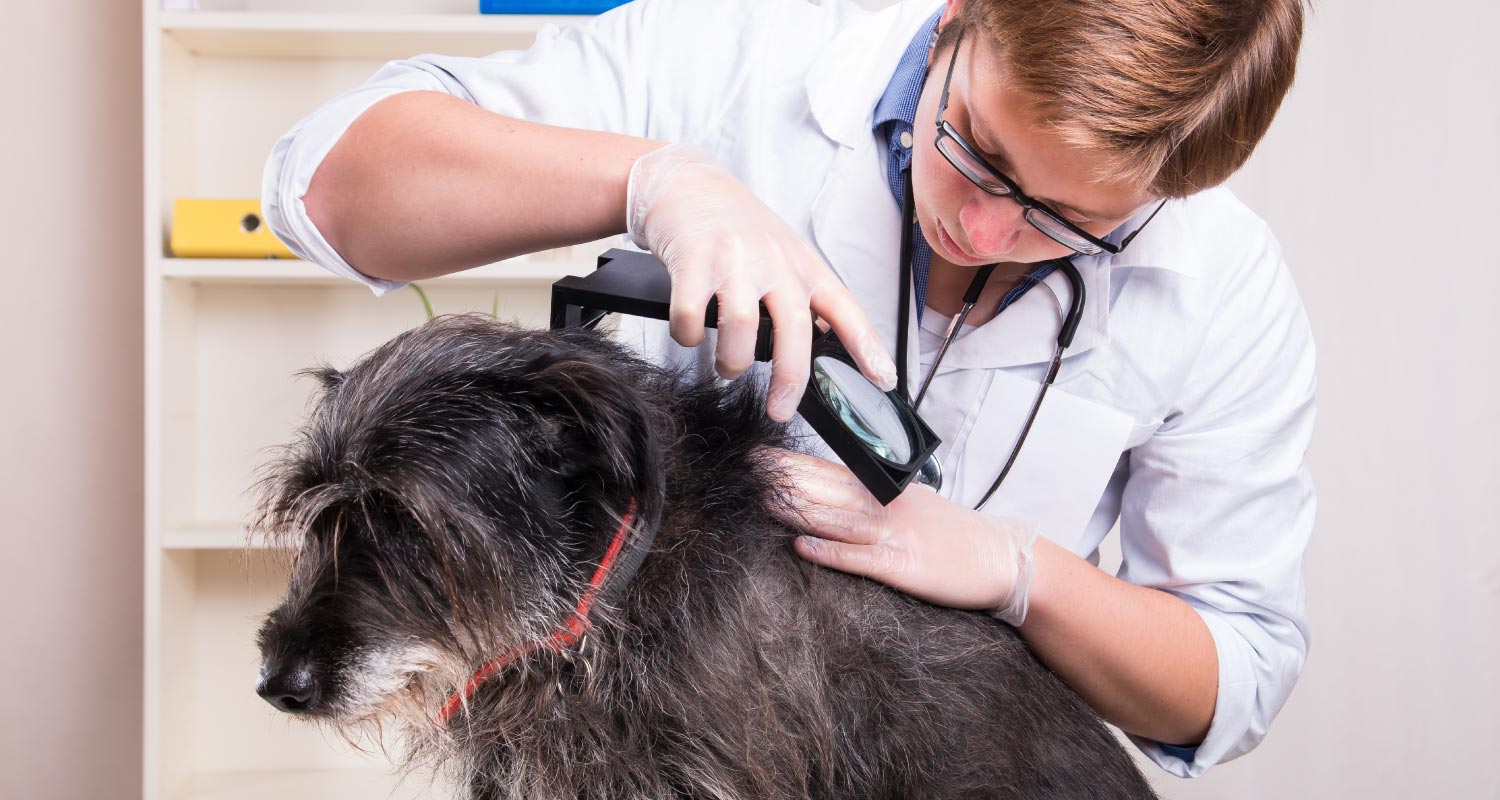
Applying Flea Spray Effectively
To guarantee maximum effectiveness, applying flea spray requires a strategic approach that adheres to the manufacturer’s guidelines.
The first step in employing effective flea spray techniques involves selecting the right product based on the specific infestation level and the area to be treated. It is essential to confirm that surfaces are clean and dry before application, as moisture can diminish the efficacy of the spray.
Application timing is also an important factor; spraying during the early morning or late evening can enhance results due to decreased activity from pets and humans.
The spray should be applied uniformly across carpets, upholstery, and baseboards, focusing on areas where fleas are likely to hide. Maintaining a consistent distance from surfaces, as specified in the instructions, guarantees adequate coverage without over-saturation.
Following these guidelines will greatly increase the likelihood of eradicating fleas and preventing their return.
Post-Treatment Care and Prevention
Post-treatment care is essential to guarantee the long-term effectiveness of flea spray applications. After treatment, thorough cleaning of the environment is critical to disrupt the flea lifecycle. Vacuuming carpets, rugs, and upholstery removes flea eggs, larvae, and adult fleas, reducing the likelihood of reinfestation.
It is advisable to dispose of vacuum bags or contents immediately to prevent fleas from re-entering the environment.
In addition to vacuuming, regular washing of pet bedding, linens, and plush toys in hot water can eliminate any remaining fleas and their eggs. Implementing environmental control measures, such as maintaining a clean, dry home and using flea traps, can further minimize flea populations.
Monitoring pets for signs of fleas and consulting a veterinarian for preventative treatments will enhance the overall effectiveness of flea management strategies.
Consistent post-treatment care is essential to guarantee that the flea population remains under control and to prevent future infestations.
Conclusion
In summary, effectively applying flea spray requires a systematic approach that begins with thorough vacuuming and preparation of the home environment. Choosing the appropriate product and adhering to application guidelines guarantees maximum efficacy. Post-treatment, maintaining a regular cleaning routine helps disrupt the flea life cycle, reducing the likelihood of reinfestation. By following these steps diligently, homeowners can successfully manage flea infestations and create a more comfortable living space for both themselves and their pets.
