
How Touch Concept Elevates Brand Activation Through Innovative Booth Design
In the realm of brand activation, the strategic integration of touch concepts within innovative booth designs has emerged as a powerful tool for engaging audiences and fostering memorable experiences.
By tapping into the sensory realm, brands can elevate their presence Interior Design Exhibition, creating immersive environments that resonate with their target audience.
This article delves into the transformative impact of touch-centric approaches on brand activation, exploring how technology, interactivity, and data analytics converge to drive success in the increasingly competitive landscape of experiential marketing.
Understanding the Importance of Touch Concepts
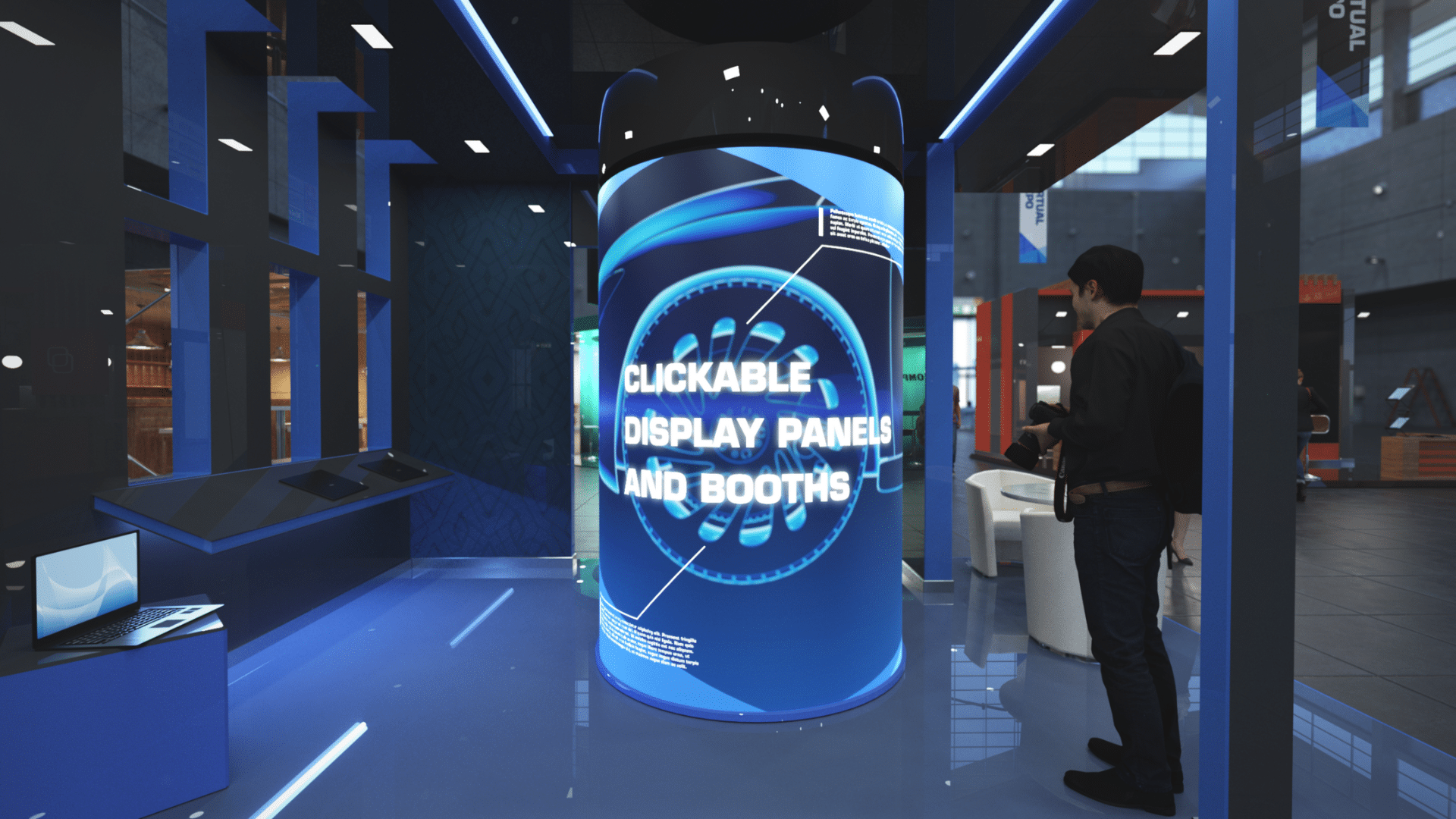
Understanding the importance of incorporating touch concepts is pivotal in enhancing brand engagement and creating memorable experiences within booth design.
In today’s competitive market, where consumers are constantly bombarded with digital advertisements and virtual experiences, tactile marketing strategies have emerged as a powerful tool to captivate audiences. By integrating sensory branding elements into booth designs, brands can forge deeper connections with potential customers by appealing to their sense of touch.
The tactile experience offered within a booth setting can evoke emotions, trigger memories, and leave a lasting impression on visitors. Utilizing textures, materials, and interactive elements that invite touch not only differentiates a brand from its competitors but also reinforces brand identity and messaging in a tangible way.
Embracing touch concepts in booth design allows brands to engage with their audience on a physical level, fostering a sense of connection and authenticity that resonates long after the event has ended.
Enhancing Engagement Through Interactive Experiences
Incorporating interactive experiences into booth design periodically enhances brand engagement by providing attendees with hands-on opportunities to interact with products and services in a tangible and memorable way. By integrating sensory marketing techniques and interactive displays, brands can create a dynamic and immersive environment that captures the attention of event participants. Tactile engagement plays a crucial role in fostering a deeper connection between consumers and brands, allowing individuals to not only see and hear about products but also touch and experience them firsthand.
Experiential marketing strategies that prioritize interactive experiences enable brands to stand out in crowded event spaces, leaving a lasting impression on visitors. Through interactive displays, companies can communicate their brand message effectively while inviting attendees to engage with the offerings in a more meaningful manner. This hands-on approach not only enhances brand visibility but also encourages attendees to actively participate, increasing the likelihood of converting leads into loyal customers.
Leveraging Technology for Memorable Brand Activation
By integrating cutting-edge technology, brands can enhance the impact of their booth design and deliver unforgettable brand activation experiences that resonate with event attendees. Leveraging technology such as virtual reality (VR) and digital interactions can create immersive and engaging experiences that leave a lasting impression on visitors.
Virtual reality allows brands to transport attendees to different worlds, showcasing products or services in a way that is both innovative and memorable. Through VR headsets, customers can explore virtual environments, interact with products, and truly experience what the brand has to offer. This interactive approach not only captures attention but also fosters deeper connections between the brand and the audience.
Moreover, digital interactions within booth designs can personalize the experience for each visitor. Touchscreen displays, interactive kiosks, or even augmented reality elements can provide tailored information, games, or demonstrations that cater to individual interests. By integrating these technological features, brands can elevate their brand activation strategies and create a buzz that extends far beyond the event itself.
Designing Immersive Environments for Target Audience
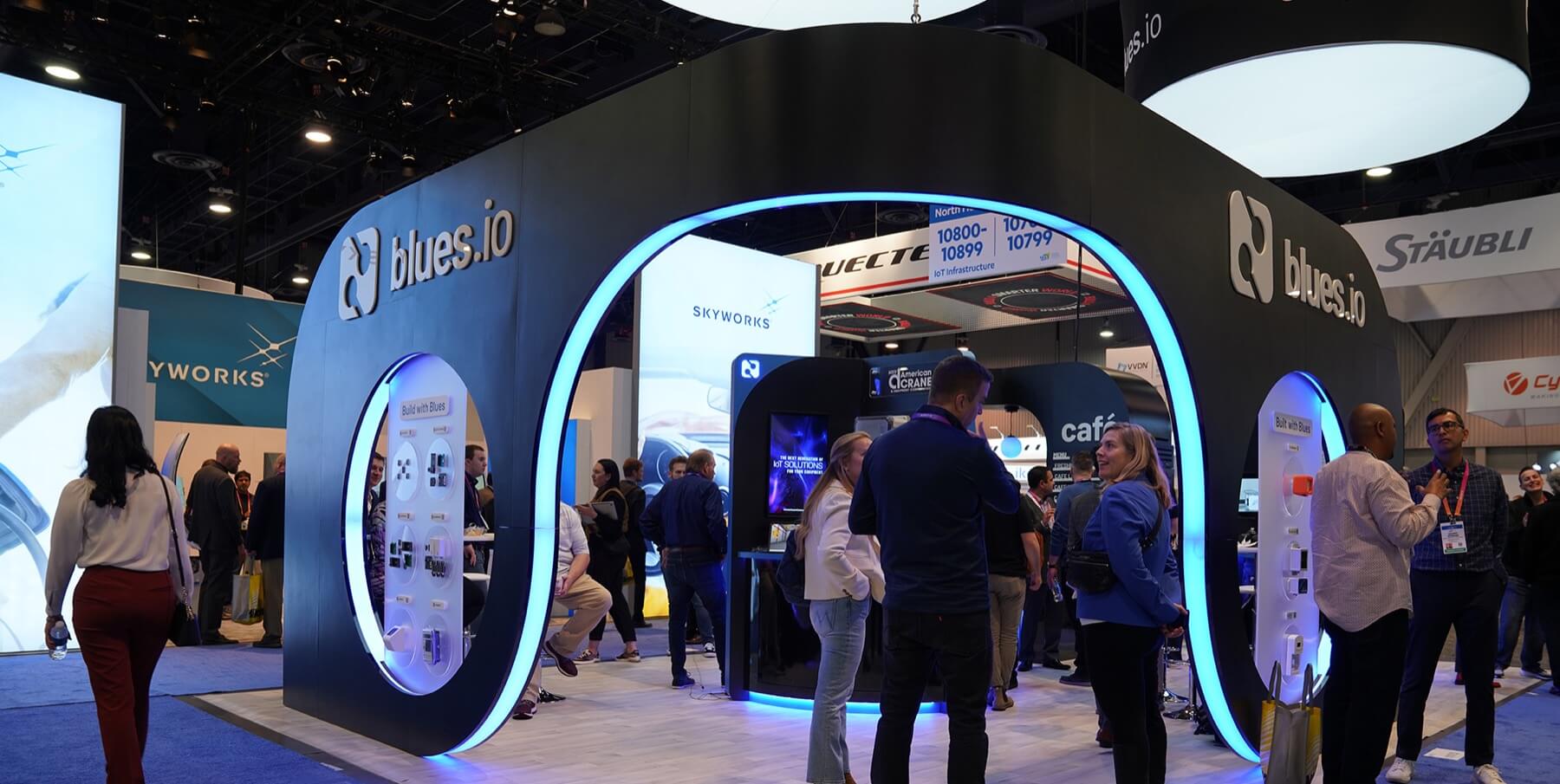
Designing immersive environments tailored to the target audience enhances brand activation experiences through interactive and personalized engagements. By incorporating sensory branding and experiential marketing strategies, brands can create memorable experiences that resonate with their customers on a deeper level. Through tactile engagement, brands can establish a direct physical connection with their audience, stimulating multiple senses simultaneously. This tactile approach fosters an emotional connection, leaving a lasting impression and strengthening brand loyalty.
When designing immersive environments, it is crucial to consider the preferences and characteristics of the target audience. By understanding their demographics, interests, and behaviors, brands can create environments that cater specifically to their needs and desires. Personalization is key in creating a memorable experience that resonates with individuals on a personal level. Moreover, interactive elements can further enhance engagement and encourage active participation, fostering a sense of ownership and investment in the brand experience.
Ultimately, designing immersive environments for the target audience is a powerful tool in elevating brand activation and building long-lasting relationships with customers.
Measuring Success With Data Analytics
Enhancing brand activation experiences through the utilization of data analytics involves analyzing customer interactions and behaviors to measure the effectiveness of immersive environments tailored to the target audience. Data analytics provides valuable insights into how customers engage with the brand, enabling companies to assess the return on investment (ROI) of their experiential marketing efforts. By tracking metrics such as foot traffic, dwell time, and customer interactions within the booth, businesses can quantify the impact of their brand activation strategies.
Moreover, data analytics allows companies to gather real-time customer feedback, enabling them to make on-the-spot adjustments to enhance the overall experience. By collecting and analyzing customer feedback during the event, brands can identify areas for improvement and tailor their approach to better resonate with their target audience.
Conclusion
In conclusion, the incorporation of touch concepts in brand activation through innovative booth design plays a crucial role in enhancing engagement and creating memorable experiences for the target audience.
By leveraging technology and designing immersive environments, brands can effectively measure success through data analytics.
This strategic approach not only elevates brand activation but also sets a foundation for long-term brand loyalty and recognition in the market.
